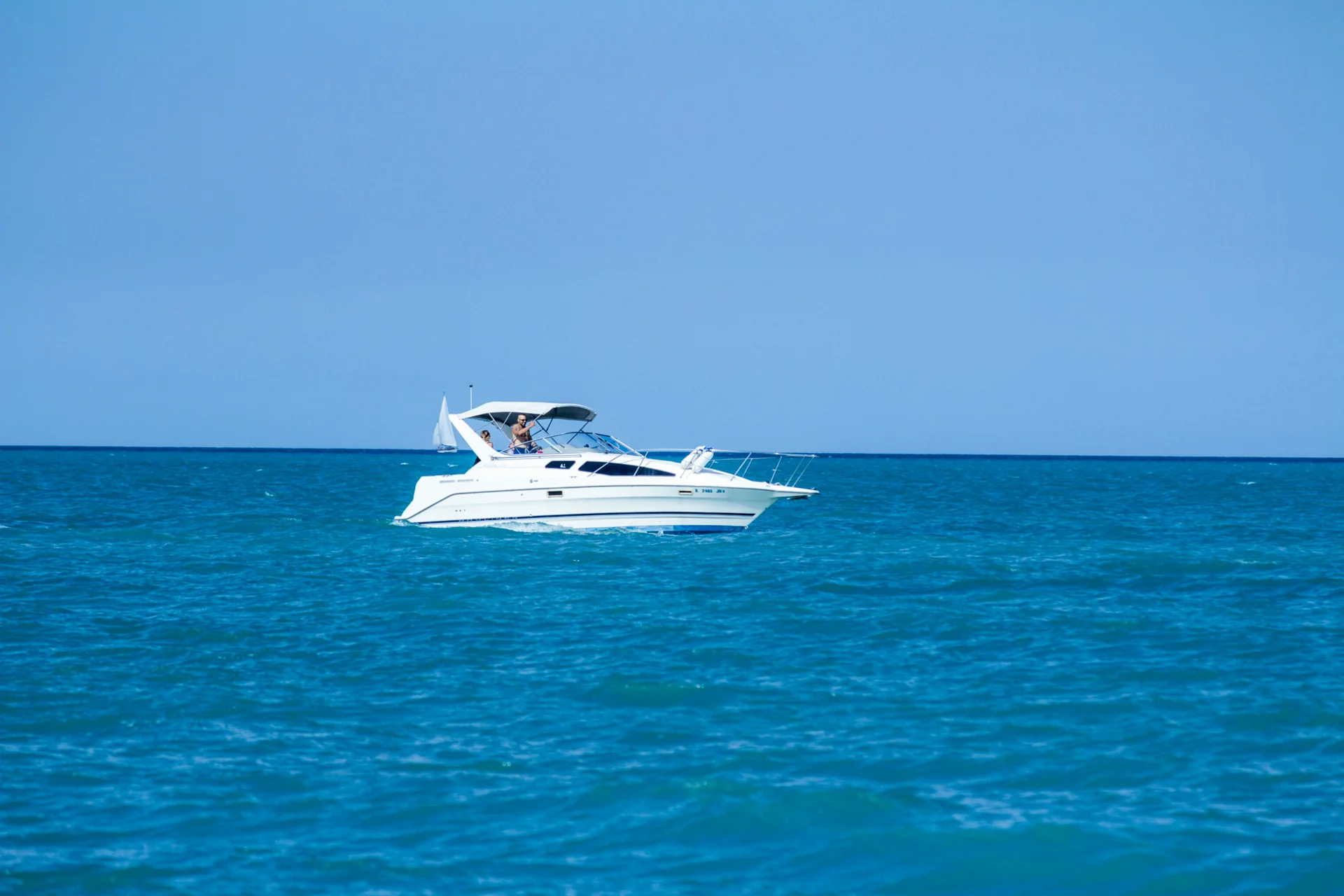
Striped bass hold in the rips off Wasque and the water around Squibnocket from May to October, and 2026 opens with the rules unchanged. In October 2025 the Atlantic States Marine Fisheries Commission voted to keep regulations at status quo, with no reductions and no new restrictions, so recreational anglers fish under the same rules that produced solid fishing in 2024 and 2025.
Massachusetts striped bass rules for 2026
The Massachusetts Division of Marine Fisheries has confirmed that 2026 recreational striped bass regulations are unchanged from 2025. The ASMFC's Addendum III, approved in October 2025, kept the status quo instead of the proposed 12% harvest reduction.
The recreational slot limit is 28 inches to less than 31 inches total length, measured in a straight line from the tip of the snout (mouth closed) to the farthest end of the tail with the tail squeezed together. The bag limit is one fish per angler per day. The season is open year-round, with no closed period for recreational fishing. (Checked Oct 2, 2026, against the Division of Marine Fisheries’ 2026 recreational limits.)
The rule that catches newcomers out: inline circle hooks are mandatory when you fish whole or cut natural bait for striped bass. The exception is natural bait attached to an artificial lure (like a tube-and-worm rig) that is trolled, jigged, or cast and retrieved. The point of the rule is to cut down on gut-hooked fish and fish that die after release.
There are handling rules too. No gaffing: you must land striped bass with non-lethal devices. No keeping fish alive on stringers or in live wells. No high-grading, meaning you cannot release a legal fish to try for a bigger one. Fish must stay whole until you're on shore with all gear stowed, though crew on for-hire vessels may fillet fish during the trip as long as they keep the racks. Discarding a dead legal-sized bass is unlawful.
The three-inch slot (28" to <31") replaced the old seven-inch slot (28" to <35") in 2023, after recreational harvest nearly doubled in 2022. The stock is still below its biomass threshold, under a rebuilding plan that targets 2029, and an ASMFC working group is developing recommendations for management beyond 2029, so expect the rules to stay under review.
If you fish on your own and you are 16 or older, you need a Massachusetts Recreational Saltwater Fishing Permit. It costs $10; from age 60 it is free, but you still need one. Get it at massfishhunt.mass.gov. Anglers on a permitted for-hire boat (a charter or party boat) do not need their own. (Checked Oct 2, 2026, against the Division of Marine Fisheries’ 2026 guide.)
Where to fish
The island has strong currents, wide sand flats, boulder shorelines and tidal inlets, and all of them push bait and the fish chasing it into places you can reach.
Wasque Point, at the southeast corner of Chappaquiddick, is one of the best-known surf fishing spots on the East Coast. The current averages six knots here and makes a rip line that runs right up against the beach and extends miles offshore. Striped bass, bluefish, bonito and false albacore can all turn up without you moving more than a few yards. Outgoing (west) tide is preferred. You cannot drive to Wasque in 2026. The Trustees ended over-sand vehicle access to Wasque through Cape Poge because of severe erosion at the point. Take the Chappy ferry from Edgartown, then walk or bike in (free), or drive to the Wasque parking lot at the end of Wasque Road (90 cars; a fee for cars in season). (The Trustees’ Wasque page, checked Oct 2, 2026.)
Squibnocket, "Squibby" to locals, has produced more Martha's Vineyard Striped Bass and Bluefish Derby winners than any other Vineyard location. It has big surf, miles of whitewater, hundreds of boulders, and deep water close to shore. Winter storms move the bottom around every year, so scout it at low tide before you fish. Time your casts so the plug or eel follows behind the wash, and keep moving; standing in one spot all night is a mistake here. Eels work very well at night.
Lobsterville Beach, on the Aquinnah side, is the island's best-known fly fishing beach. Vineyard Sound is calmer here, and where dirty water meets clean you can wade and sight-cast with a fly rod. Light spinning tackle works too.
The Massachusetts DMF bought the land at Dogfish Bar in Aquinnah in 1996 to keep it open for public shore fishing. The state describes it as "known for unparalleled spring striped bass fishing and riveting fall false albacore fishing."
Menemsha Bight and the Menemsha Jetty are the easiest places to walk on to good water. The jetty is open to the public, and the strong current at the basin entrance holds bait. Live eels from the jetty at night catch fish reliably. Many fishing charters leave from Menemsha for Vineyard Sound and the Elizabeth Islands.
Other spots: Cape Pogue and the Gut on Chappaquiddick (incoming tide preferred, good for schoolies); South Beach and Norton Point (miles of fishable surf, best on a strong outgoing tide); the Edgartown Great Pond opening, where stripers stack up when the barrier beach breaches; and the North Shore from West Chop to Menemsha, boulder fields with deep water and strong current, best fished at night with eels. Expect to lose some tackle there.
From a boat, Devil's Bridge Rips off Aquinnah is good water for bluefish and bonito. The Elizabeth Islands Rips in Vineyard Sound, which you mostly reach on a Menemsha charter, fish well for stripers, blues, and false albacore.
When the fish show up
May is the unofficial start. Schoolie-sized stripers come first, with keeper-sized fish by the end of the month. Bluefish show up mid-month in the 7–12 pound range. The squid run in the rips can be very good, and it is a strong month for shore fishing.
June is one of the best months overall. Striper fishing is strong all month, fly fishing in the Vineyard Sound rips can be excellent, and the sight-fishing flats near Edgartown are in play. Summer flounder and black sea bass are in season too.
In July and August, striper fishing from shore slows as the water warms. The fish go deeper and farther offshore, so a charter boat is the better bet, though night fishing from shore still produces. Atlantic bonito arrive in mid-July and false albacore in late August, and both are great fun on light tackle.
September is the best month. Bonito, false albacore, stripers, and bluefish are all around in growing numbers, and the fall migration brings bigger bass through as they head south. The Martha's Vineyard Striped Bass and Bluefish Derby starts in mid-September, with weigh-ins at Dock Street in Edgartown. Despite the name, the Derby committee voted in January 2020 to remove striped bass as an eligible catch, catch and release included (MV Times, Feb. 3, 2020). Check the Derby’s current rules for this year’s species before you enter.
October has fewer fish, but possibly the largest. Big cow stripers moving south can make fall the most rewarding fishing of the year. "By this time most of us are throwing bait at night for the big cows," Capt. Russ Lawrence of High Tide Charters writes on his site. The Derby runs into mid-October.
On tides, the general rule is to fish a moving tide and avoid slack water. Some spots have preferences: outgoing (west) tide is best at Wasque Point, Norton Point, and South Beach, and incoming (east) tide works better at Cape Pogue and East Beach. Dawn and dusk are consistently the most productive times. In summer, fish the later evening high tides and after dark. Full and new moons bring stronger currents, which usually improve the fishing.
Fishing charters and what they cost
Every fishing operator we know of, with phone numbers and the prices they publish, is on our fishing charters page, sorted by harbor. Some of them:
North Shore Charters, out of Menemsha, is run by Captain Scott McDowell and fishes Lauren C, a 35-foot custom Duffy, inshore and offshore from May through October. Half-day inshore trips are $850 for up to six anglers; full days are $1,650. Inshore it is stripers and bluefish; offshore, tuna, marlin and sharks (sharks catch-and-release), priced on request.
High Tide Charters leaves from Dock Street in Edgartown: Capt. Russ Lawrence on Mooncusser, a 23-foot Sailfish center console, for one to six anglers. Stripers, blues, bonito, false albacore, fluke and sea bass. For trips from July 1 to October 31, 2026, his site lists $550 for a half day, $800 for six hours and $1,050 for a full day (marthasvineyardfishing.com, checked Oct 2, 2026). Call or text (508) 415-1540.
The Local Tide Charters has two boats: a 32-foot Regulator for up to six anglers and a 17-foot Yellowfin skiff for one or two, set up for sight fishing the flats. Trips start at $850 on the Regulator and $550 on the skiff; longer days cost more. They pick up in Edgartown, Vineyard Haven, Lagoon Pond or Menemsha, run a Learn to Fly Fish clinic for beginners, and supply rods, reels, hand-tied flies, water and a cooler.
Martha’s Vineyard Outfitters is run by Captain Brice Contessa, who has close to two decades of guiding behind him, his site says. He specializes in fly fishing and light tackle from a NorthCoast center console with a trolling motor, kept on a trailer so it can launch close to wherever the fish are. Kismet Outfitters is another fly fishing specialist, with a shop on the island.
If you would rather fish with a group, the MV Skipper in Oak Bluffs runs public fishing trips at $100 per person (all ages) with all licenses, rod, reel, and bait included. That price is from its site, last changed in August 2025, so call (508) 693-1238 to confirm. The summer schedule runs 8 AM to noon and 1–5 PM. Private charters for groups up to 40 are also available.
Tomahawk Charters, homeport Menemsha, is run by Captain Buddy Vanderhoop, a member of the Wampanoag Tribe of Aquinnah, who has fished these waters for more than thirty years. Tomahawk 3 is a 35-foot Carolina Classic, and they run inshore striped bass and bluefish trips plus offshore trips for tuna. A half day inshore is $800 for 4.5 hours plus a $100 fuel surcharge, as published on tomahawkcharters.net (checked Oct 2, 2026); call (508) 645-3201. Tomahawk also bills its whale watch as the only private whale watch on Martha’s Vineyard, with a lobster roll and champagne lunch on board.
Fishsticks Charters fishes light tackle and fly on four- to eight-hour trips. Red Moon, Captain Clarke and Cheap Therapy are on our fishing charters page with the prices they publish.
Most charters include tackle and bait, and the captain’s permit covers everyone aboard. You bring food, drinks, sunscreen, and rain gear. Many captains will fillet your catch. For a July or August weekend, ask as early as you can.
Gear and techniques
If you're fishing on your own from the surf at Squibnocket or Chappaquiddick, use a 10–12 foot surf rod and a good spinning reel, such as a Van Staal or ZeeBaas, loaded with 50-pound braid and 40-pound leader. That handles the big water and heavy lures. For lighter inshore work, a 7'6" medium-fast rod with a 4000–5000 series reel on 30-pound braid with 25-pound fluorocarbon leader covers most situations.
Live eels are the bait to use on Martha's Vineyard, especially for big fish at night. Pick them up at Coop's Bait & Tackle (sharing advice since 1985, its own site says) or Larry's Tackle Shop (even older, established 1947). Live pogies (menhaden), sandworms, and chunk squid also catch fish.
For artificials, bring Hogy Originals and Pro Tails (the island's go-to soft plastic), Rebel Jumping Minnows for topwater, Danny-style plugs and Bombers for swimming plugs, and Slug-Gos fished weightless so they look natural. At Wasque and Dogfish Bar during the fall run, 2 oz epoxy jigs and Surf Candies on the fly work for false albacore.
For stripers on the fly, a 9-weight rod is standard, with an 8-weight for schoolies in calmer conditions. Clouser Minnows are still the most consistently productive fly. Carry some Coop's Floating Sand Eel, a local pattern. Intermediate and floating lines cover most situations, with aggressive shooting heads for the rips.
The circle hook requirement applies whenever you fish natural bait. Carry inline circle hooks in sizes 6/0 through 10/0 to stay legal.
Other species
Bluefish arrive in mid-May and stay through October. There is no minimum size, and in 2026 the daily limit is five fish (seven on for-hire boats). They hit everything and fight hard.
False albacore and Atlantic bonito are the light-tackle prize here. Regulations from 2025 set a 16-inch minimum size and five-fish combined daily limit for both species. Bonito arrive in mid-July and peak in August; false albacore show up in late August and peak through September and October. Dogfish Bar and Wasque Point are the main spots for albies.
Fluke (summer flounder) is open May 24 to September 23, five fish a day, 16.5 inches minimum from shore and 17.5 inches from a boat. The 2026 fluke season is now closed. Black sea bass is open May 16 to October 14, 16 inches minimum, four a day until August 31 and two a day after that. Scup (porgy) is open May 1 to December 31, 30 fish a day, 9.5 inches minimum from shore and 11 inches from a private boat (for-hire boats have their own season and limit). Rules checked Oct 2, 2026, against the Division of Marine Fisheries’ 2026 recreational limits; check them again before you go.
Finding a captain
Whether this is your first striper or you are planning a fall Derby campaign, the rules hold steady for 2026, and a $100 seat on a party boat fishes the same water as a $1,650 private charter.
Every fishing captain we know of on the island is on our list, with their numbers. Call them directly; nobody books through us.