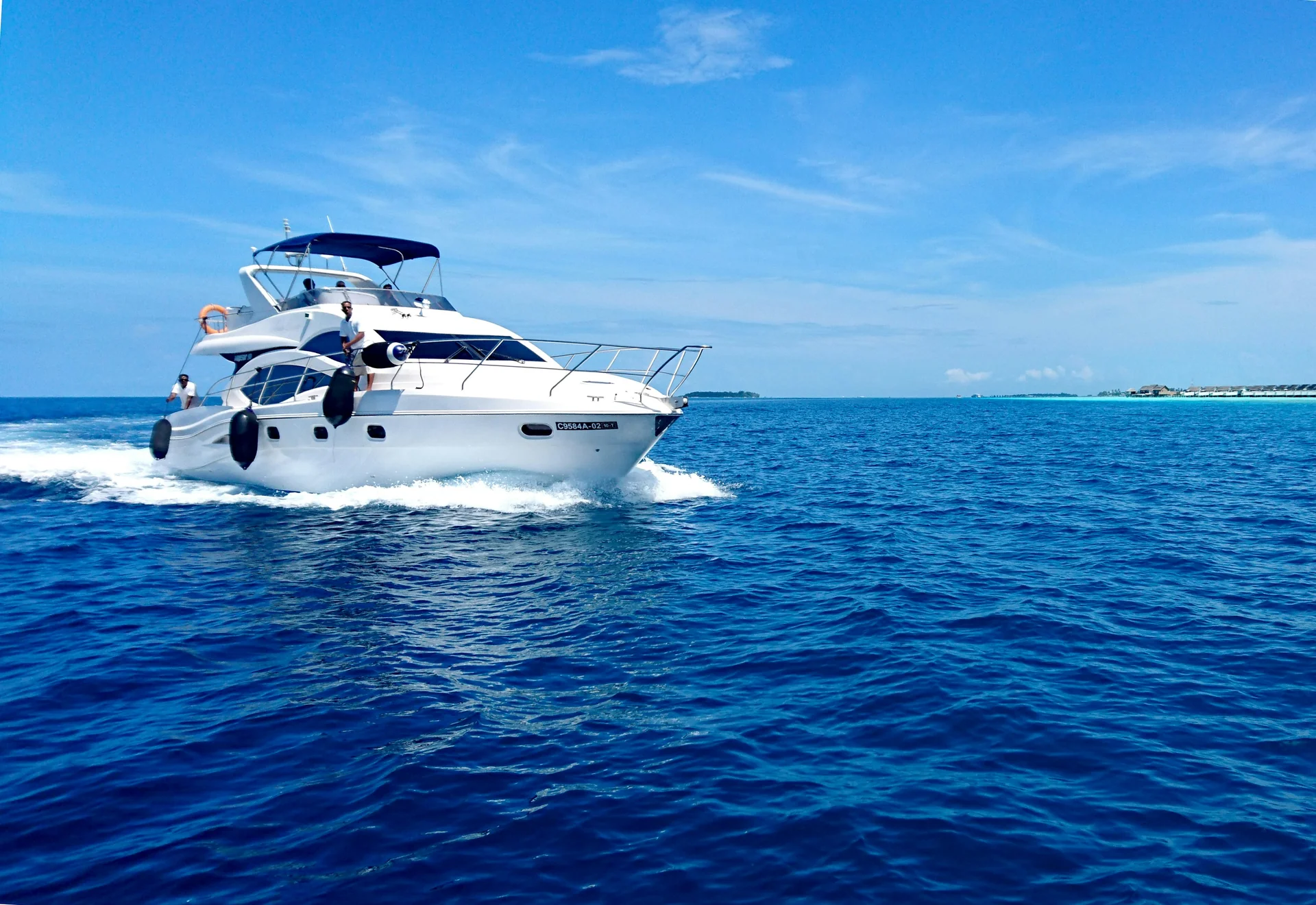
Martha's Vineyard has over 120 miles of shoreline, and most of it is only reachable by water: the stretches that aren't on tourist maps, have no parking lot or shuttle bus, and don't fill up on July afternoons. Some of the best beaches on the island need a boat to get to, so visitors who never get on a charter never see them.
The places here are publicly accessible in most cases; you just can't reach them without a boat, kayak or charter. They run from a Land Bank-managed Atlantic barrier beach across a great pond, reachable only by paddlecraft, to the beaches of Cuttyhunk, a 1.5-mile island at the end of the Elizabeth Islands chain where roughly 20 people live year-round and the raw bar brings freshly shucked oysters out to your boat.
Why boat-access beaches exist on Martha's Vineyard
It comes down to geography, conservation, and who owns the land.
Long barrier beaches separate the Atlantic surf from protected salt ponds along parts of the coast. The pond lies between the beach and any road, so you usually reach these beaches from the water. Up-island, most beaches in West Tisbury, Chilmark and Aquinnah are privately owned or limited to town residents and renters, with only a handful of exceptions. And the islands around it (Chappaquiddick, the Elizabeth Islands chain, and Cuttyhunk at the far end) can only be reached from Martha's Vineyard by water.
The Martha's Vineyard Land Bank Commission, a public conservation body funded by a real estate transfer tax, owns and manages several of these places to keep the shore open to the public. Some, like Edgartown Great Pond Beach, you can reach only by canoe or kayak. Others, like East Beach on Chappaquiddick, need a boat or a 4x4 with a permit. The Elizabeth Islands are privately owned by the Forbes family, descendants of John Murray Forbes, but the waters around them are navigable, and a charter captain can anchor in their coves for a beach day that feels entirely private.
Edgartown Great Pond Beach: the Atlantic barrier beach across the pond
Of the public beaches on the island, this is the clearest case of one you can only reach by boat. Edgartown Great Pond Beach is a section of the barrier beach between the Edgartown Great Pond and the Atlantic Ocean, owned and managed by the Martha's Vineyard Land Bank Commission. All access is by canoe or kayak only, with no road or trail. The Land Bank says so plainly: “Access is by canoe and kayak only, which visitors themselves must supply.”
Launch from Turkeyland Cove Park, the town landing on Turkeyland Neck (take the Road to the Plains to Meetinghouse Way, then the dirt road to the pond's edge), paddle 1.1 miles across the Edgartown Great Pond, and land only on the marked Land Bank beach. Until the Land Bank bought it, every inch of this two-mile barrier beach was privately owned. There's a public section now, but only people willing to paddle across a great pond ever use it.
On the other side is an Atlantic-facing beach with open surf, which you'll very likely have to yourself (the paddle and the lack of facilities keep crowds away), and a view west across the pond toward Wequobsque Cliffs in Chilmark. There are no facilities at all, so carry everything in and out, and bring more water than you think you need: the paddle back is another 1.1 miles of open pond. It suits paddlers who don't mind working for a beach, and serious beachcombers.
East Beach and Cape Pogue: Chappaquiddick's wild Atlantic shore
Chappaquiddick Island is about 527 feet east of Edgartown, across a narrow channel. You can cross on the On Time Ferry ($5 round trip on foot) or come by boat straight to the beaches on the island's eastern and northern shore. That side of Chappy is some of the most undeveloped Atlantic coastline in Massachusetts.
East Beach runs along the eastern edge of the Cape Pogue Wildlife Refuge and Wasque Reservation, both managed by The Trustees of Reservations. It's largely empty, because few visitors get this far: the road from the Chappy Ferry landing is sandy and remote, and generally requires a 4x4 with a Trustees over-sand vehicle (OSV) permit. By boat you skip the road and land right on the beach.
On a charter you can see the Cape Pogue Lighthouse from the water, anchor in the calm tidal flats on the west side, and then go ashore on the Atlantic beach. The lighthouse, first erected in 1801, is one of the most remote on the island. On land, only the Trustees' lighthouse tours reach it, but a charter heading northeast from Edgartown passes within a few hundred yards. The Trustees charge non-members a fee in season.
Wasque Point, at the southeastern tip of Chappaquiddick where the Atlantic and Nantucket Sound converge, has some of the most violent rip currents on the East Coast, and they're the reason the fishing there is so good (our Martha's Vineyard fishing guide has the details). From a boat you can anchor safely in the eddy behind the point and watch the surf casters on the beach. Don't swim at Wasque; the currents are dangerous.
The On Time Ferry from Edgartown takes foot passengers, bikes and up to 3 cars, with continuous service in season. Driving over sand on Chappaquiddick requires an OSV permit, and the Trustees of Reservations manage both Cape Pogue and Wasque. Come for the wildlife (osprey, piping plover, shorebirds), the fishing, the lighthouse and the beachcombing. For a boat, ask Nauti Girl Excursions, whose six-hour beach day leaves from Edgartown, or any of the private charters out of Edgartown for a shorter run.
The Elizabeth Islands: private land, public water
The Elizabeth Islands are a chain of more than twenty small islands stretching southwest from Woods Hole toward Cuttyhunk, along the north side of Vineyard Sound. All of them except Cuttyhunk and Penikese are privately owned by the Forbes family, descendants of China Trade merchant John Murray Forbes. Most of the land is closed to visitors, but the family keeps a handful of beaches open to the public, among them Tarpaulin Cove and Quicks Hole; ask your captain which are open on the day.
You can take a boat around them and anchor in the coves, and it's about as isolated as the New England coast gets. The Forbes family has kept the islands essentially unchanged for over 150 years: there are no hotels, no vacation rentals, and no roads open to visitors. From the water you see meadows, farmland, cliffs, and shorelines that look the same as they did in the 19th century.
There are Scottish Highland cattle on the islands that hang out on the beach and wade into the shallows. Plan Sea mentions them on its Cuttyhunk trip, but nobody guarantees them, and they aren’t always on the beach. If you do see them, it will be from a boat.
Penikese Island belongs to the Commonwealth of Massachusetts and is kept as a bird sanctuary. It was a leprosy hospital until 1921, then a residential school for troubled boys from 1973 to 2011, and is now an environmental-education school. There is no public landing; you see it from the water.
The waters around the Elizabeth Islands are freely navigable, but you can land on the private islands only at the beaches the Forbes family keeps open, and not at all on Penikese. For a trip out here, ask Island Girl Excursions (a five-hour Elizabeth Islands and Cuttyhunk trip for up to six; ask for the price) or Plan Sea Adventure Charters (a private Cuttyhunk and Elizabeth Islands trip from Oak Bluffs or Falmouth, from $3,995).
Cuttyhunk Island, at the end of the chain
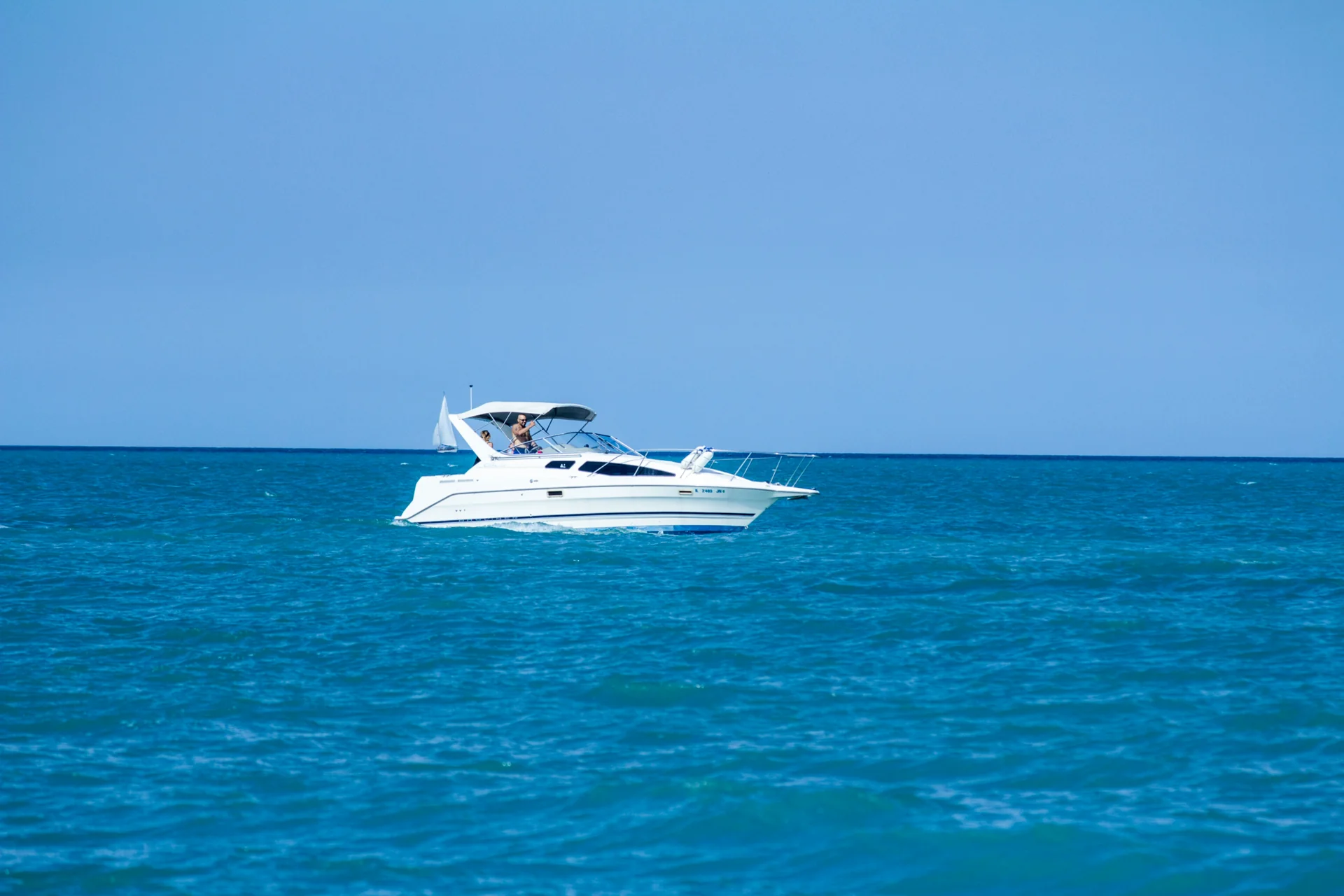
Cuttyhunk is the last island in the Elizabeth Islands chain and the only one with a village and a harbor open to visitors. It's about ten miles across Vineyard Sound from Menemsha. Roughly 20 people live there year-round, and in summer that grows to perhaps 500. There are no cars (golf carts only), no traffic lights and no chain restaurants. There's no liquor store either, so bring your own.
A raw bar paddles out to the boats with Cuttyhunk oysters (the island's own, grown in West End Pond), along with fresh clams, crab spread, and chowder. You eat the oysters on your boat looking at the island where they were grown.
Beaches wrap around almost the entire island. The most popular is Barges Beach on the east side, a short walk from the marina, and it runs far enough in both directions that you can find a stretch to yourself even in peak summer. The western end of the island is a nature preserve with hiking trails and World War II bunkers (the island was a coastal defense position). On a clear day you can see the Vineyard, Block Island and the mainland from there.
Getting into Cuttyhunk Harbor from Martha's Vineyard is tricky. The entrance channels have strong currents and tide-sensitive shoals, and they are hard going for an inexperienced boater. On a day trip, go with a charter captain who knows these waters.
From Menemsha, the crossing to Cuttyhunk takes about 45 minutes by powerboat. Island Girl Excursions and Plan Sea Adventure Charters both run Cuttyhunk trips; Plan Sea’s starts at $3,995 and allows two hours ashore. A Cuttyhunk ferry also runs seasonally from New Bedford on the mainland if you want a simpler crossing.
Ashore, eat at the harbor fish dock, visit the Cuttyhunk Historical Society Museum on Tower Hill Road (rotating exhibits on the Wampanoag people, island whaling history, and WWII), walk the trails to the west-end bunkers, and spend an hour on Barges Beach before heading back across the Sound.
Charters go to Cuttyhunk from Menemsha, Oak Bluffs and Edgartown. You can also take the New Bedford ferry, or your own boat if you have the navigation experience the harbor entrance calls for. Island Girl Excursions runs five hours for up to six (ask for the price); Plan Sea Adventure Charters is from $3,995, with two hours ashore. Come for the oysters, the hiking and a day on a different island with nothing else to do.
Chilmark Pond Beach: canoe and kayak access only
This is another Land Bank property, and the same idea as Edgartown Great Pond Beach, but in Chilmark. A small Atlantic-facing swimming beach on the Chilmark Pond property is accessible only by canoe or kayak, launched from the Land Bank's canoe drop on the Chilmark Pond shoreline, with the ocean beach across the pond.
Most of Chilmark's south shore beaches are residents-only, so without the Land Bank this stretch of pond and ocean beach would be off-limits too. Because the Land Bank owns it, anyone willing to carry a boat to the launch can use it.
There are no facilities, and it is quiet. A permit from the Town of Chilmark is required for any access between June 1 and September 30.
Cape Pogue Bay and the barrier flats: anchor and wade
This one isn't a named beach on any official list. The shallow tidal flats inside Cape Pogue Bay, on the protected west side of the Cape Pogue Wildlife Refuge spit, make a wading beach you can only use from a boat. You anchor in flat, warm water over a sandy bottom and wade out, with osprey overhead, the lighthouse a mile north, and the Atlantic surf audible on the other side of the barrier spit.
If you want a “private beach” day, ask for it by name on a private charter out of Edgartown. You can't park, walk or take a ferry here, only a boat, and you're likely to have it to yourself.
Lobsterville Beach by boat: the fishing and snorkeling shore
You can walk to Lobsterville Beach, on the Aquinnah shore of Vineyard Sound, along Lobsterville Road. But there is no parking permitted on Lobsterville Road, so in summer anyone coming by car has to park far away and walk a long way. Coming by boat is the practical way to spend time here.
It's a public, two-mile stretch of Vineyard Sound beach, calm because it faces the Sound rather than the Atlantic, and good for snorkeling, birdwatching and fishing. Fly anglers come here for striped bass: the calmer Sound water and the edge between dirty and clear water make for good sight-casting and wading. It's also a designated seagull nesting area, so sections are periodically restricted during breeding season.
From Menemsha Harbor, Lobsterville Beach is a short boat ride northeast along the Sound shore. Several charter operators include Lobsterville and the North Shore on their Aquinnah trips.
What to bring on a boat-access beach day
None of these beaches have amenities: no concession stands, restrooms, lifeguards or fresh water. That's a big part of their appeal, and it means packing properly.
Bring at least two liters of water per person, more if you're paddling or hiking, and a full lunch or plenty of snacks. Reef-safe sunscreen and a sun hat matter more on the water, where the reflection adds to the UV. A dry bag keeps phones, wallets and anything else that can't get wet safe while you board and land. Wear water shoes or sandals with secure straps, because landing on a beach from a dinghy or off a boat nosed in bow-first usually means stepping into the water.
For Cuttyhunk, bring cash for the raw bar and the general store; card readers are unreliable at the far end of Buzzards Bay. Pack snorkeling gear if the operator doesn't provide it, and a book for when you're anchored off a barrier beach with no cell service and no agenda.
Count the boat ride as part of the beach day: Nashawena's cliffs going past from the deck of a powerboat, seals off Penikese, clear water at anchor in Cape Pogue Bay while the mainland disappears behind you. If you're visiting on a day trip from Boston or Cape Cod, a boat-access beach is the thing to plan your afternoon around.
Getting a boat for it
Every beach here needs a boat of some kind: a kayak you bring yourself, a charter with a captain, or your own powerboat.
More than two dozen charter operators work off this island. Island Girl Excursions and Nauti Girl Excursions both run beach days like the ones described here, and Plan Sea runs a dedicated Cuttyhunk trip. Most plans fit either a private charter or a group cruise, and on a calm evening several of these beaches make a good stop on a sunset cruise.
Ask before you arrive, especially for a summer weekend. In the shoulder season (May, June, September, October) you get more choice of days and fewer boats in the anchorages, so a remote beach is quieter still.
The operators we have called are on the list, with their phone numbers. Call them directly; nobody books through us.